

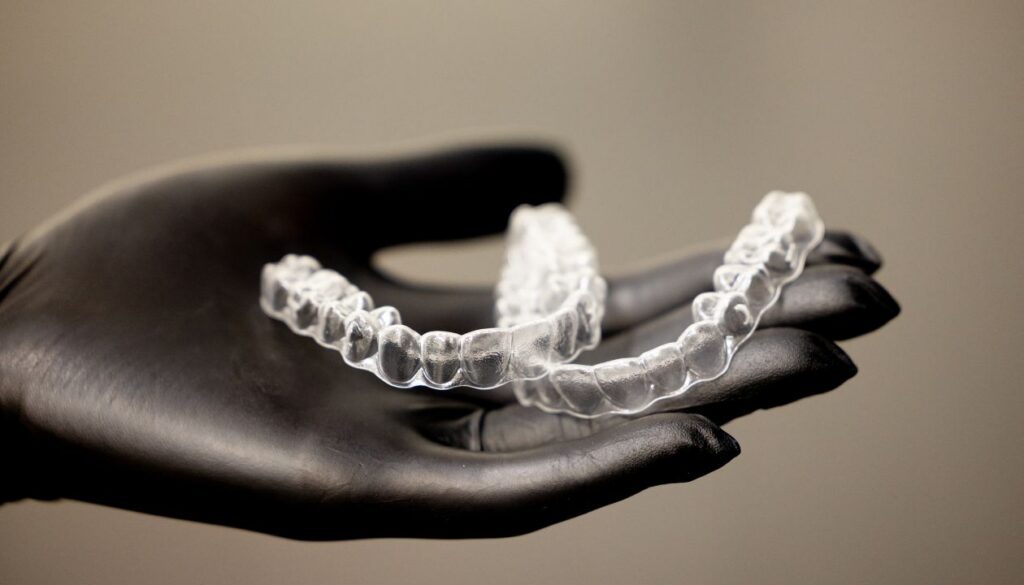
Invisalign for teens in school can feel like a juggling act: classes, lunch, sports, band practice, and clear aligners. You want treatment that’s discreet and effective, but you also need realistic strategies for day-to-day life at school.
This guide walks you through what to expect from Invisalign, how to handle meals and bathroom breaks, tips for sports and extracurriculars, ways to talk about your aligners with friends, and practical care and emergency advice so your treatment stays on track without disrupting your routine.
What Invisalign Treatment Looks Like for Teens
Invisalign for teens uses a series of clear, removable trays that gently shift your teeth over time. Your orthodontist will scan your mouth or take impressions, map out treatment digitally, and give you a sequence of aligners, usually changed every one to two weeks. For teens, Invisalign often includes a few features that differ from adult treatment: compliance indicators (tiny blue dots that fade as you wear trays), eruption tabs for teeth still coming in, and occasionally extra attachments glued to teeth to help certain movements.
Treatment length varies, many teen cases run 12–24 months, but the exact schedule depends on how much movement is needed and how consistently you wear your trays. You’ll generally wear them about 20–22 hours a day: all the time except when eating or brushing. Expect periodic check-ins every 6–10 weeks so your orthodontist can monitor progress and give you the next sets.
Symptoms early on may include mild soreness for a day or two after switching trays: over-the-counter pain relief and soft foods after school usually handle it. You’ll also learn how to pop trays in and out quickly, which becomes second nature by the end of the first week.
Daily School Routine: Wearing, Eating, and Bathroom Breaks
Making Invisalign fit into your school day is mostly about building small habits. Start by wearing your trays before you leave for school so they’re seated and comfortable. If a class requires an oral presentation or singing, you can remove them briefly, but plan ahead: store trays in a hard case and rinse them before reinserting.
Lunch and snacks are the obvious times to remove aligners. Take a travel toothbrush, toothpaste, and a small bottle of mouthwash in your bag. After you eat, brush before you put the trays back in, this protects the aligner and prevents staining or trapped food. If brushing isn’t possible between classes, at least rinse your mouth and the trays with water and wait 20–30 minutes after acidic drinks before reinserting.
Bathroom breaks are your friend: use them to remove or replace trays if needed, and to do a quick clean. If you have a tight schedule (testing days, short lunch periods), practice removing aligners quickly at home so you can do it discreetly in a minute or two. Always keep your case with you: wrapping trays in napkins or tissue can lead to accidental disposal.
Sports, Band, and Other School Activities: Practical Strategies
Most teens keep doing sports, band, drama, and clubs while wearing Invisalign. The majority of activities just require a little planning. For contact sports like football, lacrosse, or wrestling, you’ll need a properly fitted mouthguard. Many mouthguard manufacturers make boil-and-bite guards that can fit over aligners, but that’s not ideal long-term. A better option is to remove the trays and wear a custom mouthguard made to fit your teeth without the aligners, ask your orthodontist or dentist for a recommendation.
For musicians who play wind or brass instruments, wearing aligners during practice is usually possible, but some teens prefer removing them during long rehearsals to avoid dry mouth and to get a fuller tone. If you remove trays, follow the same hygiene steps: store them in a case and rinse before putting them back in.
For theater or choir, check with your director about costume or prop needs: aligners are typically subtle enough to stay in, but remove them briefly if a role requires it. Whatever the activity, give yourself permission to remove trays when safety or performance quality matters, just be disciplined about storage and cleaning afterward.
Social Confidence, Communication, and Managing Peer Questions
One big benefit of Invisalign for teens in school is discretion. Aligners are clear and often go unnoticed, which helps with self-confidence. But you’ll still get questions, curiosity, compliments, or occasional teasing. A short, confident response works best: “They’re clear aligners, super comfortable and I only take them out to eat.” That answer is casual, informative, and moves the conversation on.
If you want to be more open, explain how aligners let you keep playing sports, eating what you like, and smiling without visible braces. For younger teens, role-playing quick responses at home can make them feel less anxious about peers. If teasing becomes mean-spirited, involve a trusted teacher or counselor: it’s okay to ask for support.
Confidence also comes from preparation: keep your trays clean and odor-free so you don’t worry about breath or visible buildup. Carry a compact mirror and case: replacing trays discreetly in the bathroom rather than in the cafeteria reduces attention. Remember: most classmates are more interested in their phones than your orthodontics, and any short-term awkwardness fades as your smile improves.
Care, Cleaning, Lost Trays, and Emergency Tips
Caring for Invisalign is simple, but consistency matters. Clean your trays daily with a soft toothbrush and clear, fragrance-free soap or Invisalign cleaning crystals, avoid colored or abrasive toothpaste which can scratch or stain. Rinse trays before reinserting and store them in a ventilated hard case when not in use.
If you lose a tray, contact your orthodontist right away. Don’t try to skip to the next set unless instructed: skipping can create gaps in the treatment plan. Many practices keep spare sets or can order replacements quickly. If a tray cracks or doesn’t fit correctly, switch to the previous tray (if it fits) and wear it until you get instructions.
For soreness or small ulcers, wax or orthodontic relief gel can ease discomfort. If a tooth feels unusually loose or a wire (from a bonded attachment) comes off, call your provider, small issues often have simple fixes. Keep an emergency kit in your locker or backpack: case, travel toothbrush, mini toothpaste, dental wax, and a note with your orthodontist’s contact info. That preparedness prevents panic and keeps treatment on track.
Conclusion
Invisalign for teens in school works when you pair the technology with practical routines: wear trays consistently, plan for meals and activities, and keep a small hygiene kit handy. With a bit of preparation, proper storage, quick-clean habits, and a few script lines for peers, you’ll get the benefits of discreet treatment without major disruption. Stay in touch with your orthodontist, follow their guidance, and you’ll finish school smiling.
Frequently Asked Questions About Invisalign for Teens in School
What should teens expect during Invisalign treatment at school?
Teens can expect to wear clear, removable aligners for 20–22 hours daily, changing sets every 1–2 weeks. Mild soreness may occur initially, and regular check-ins with the orthodontist happen every 6–10 weeks to monitor progress.
How can teens manage wearing Invisalign during lunch and snacks at school?
Teens should remove their aligners to eat, brush teeth afterward using a travel toothbrush and toothpaste, and rinse trays before reinserting. If brushing isn’t possible, rinsing with water and waiting 20–30 minutes after acidic drinks helps protect the aligners.
Are Invisalign aligners noticeable to other students, and how can teens address questions about them?
Invisalign aligners are clear and low-profile, making them less noticeable than braces. Teens can respond confidently with simple explanations like, “They’re clear aligners I only take out to eat,” helping maintain social confidence and reduce unwanted attention.
Can teens participate in sports and music activities while wearing Invisalign?
Yes, teens can continue sports and music with Invisalign. Contact sports require a custom mouthguard without aligners, while playing wind instruments is possible with aligners in or removing them briefly during long sessions, ensuring proper hygiene and storage.
What daily care is needed to maintain Invisalign trays in school?
Teens should clean trays daily with a soft toothbrush and clear soap or Invisalign cleaning crystals, avoid colored toothpaste, rinse trays before use, and store them in a ventilated hard case. Carrying a hygiene kit ensures aligners stay clean and odor-free on the go.
What should a teen do if they lose or damage an Invisalign tray during school?
If a tray is lost or damaged, contact the orthodontist promptly. Avoid skipping to the next set without guidance. Wearing the previous tray may be advised until a replacement is obtained to keep treatment on track and prevent gaps.
Schedule a Consultation for Invisalign Treatment With Blalock Orthodontics
A busy school schedule does not have to make orthodontic treatment feel overwhelming. Blalock Orthodontics helps families in Helotes, TX understand whether Invisalign is a good fit for their teen’s routine, responsibilities, and smile goals. Schedule a consultation today and get a clear plan before treatment begins.